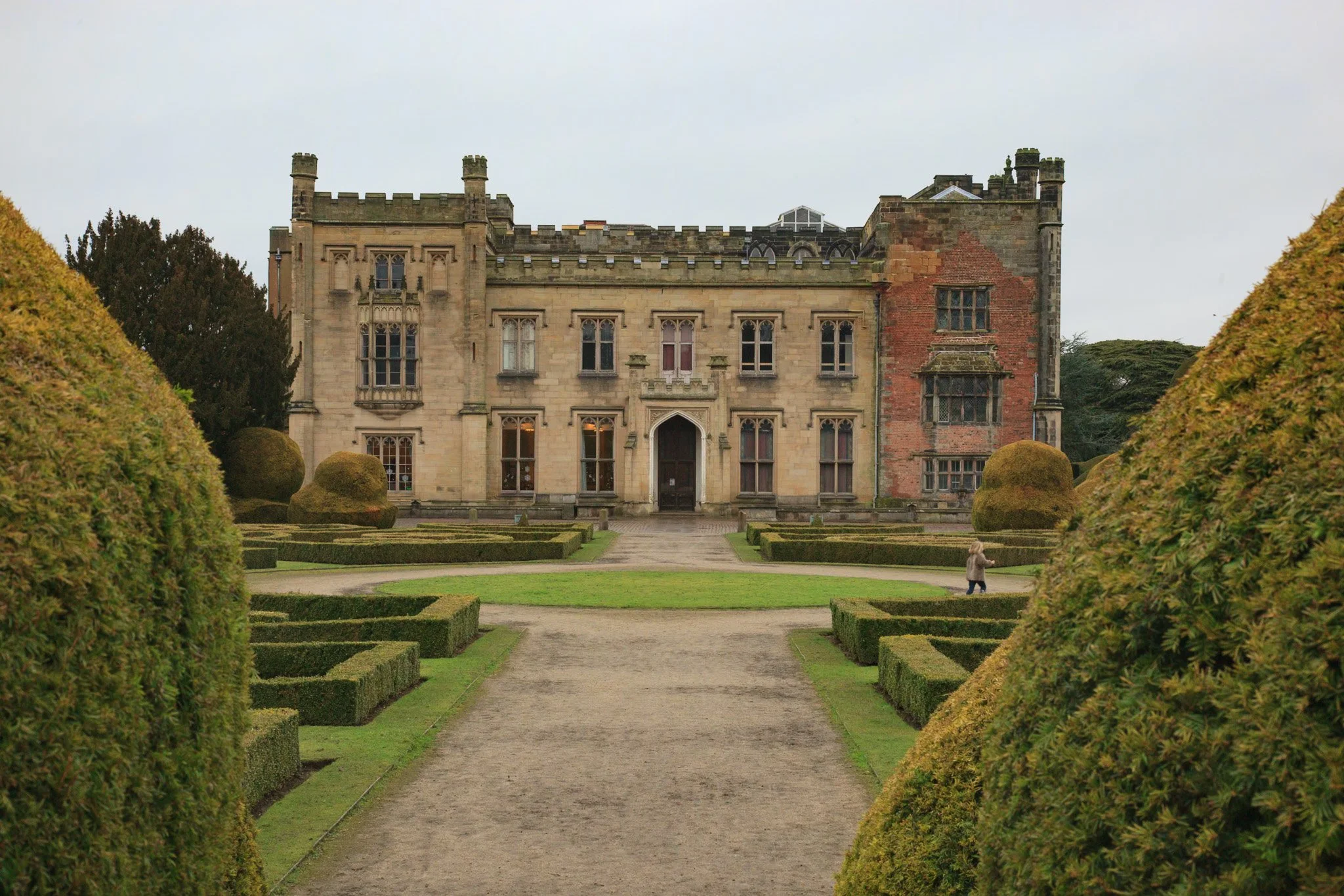
 Image 1 of 5
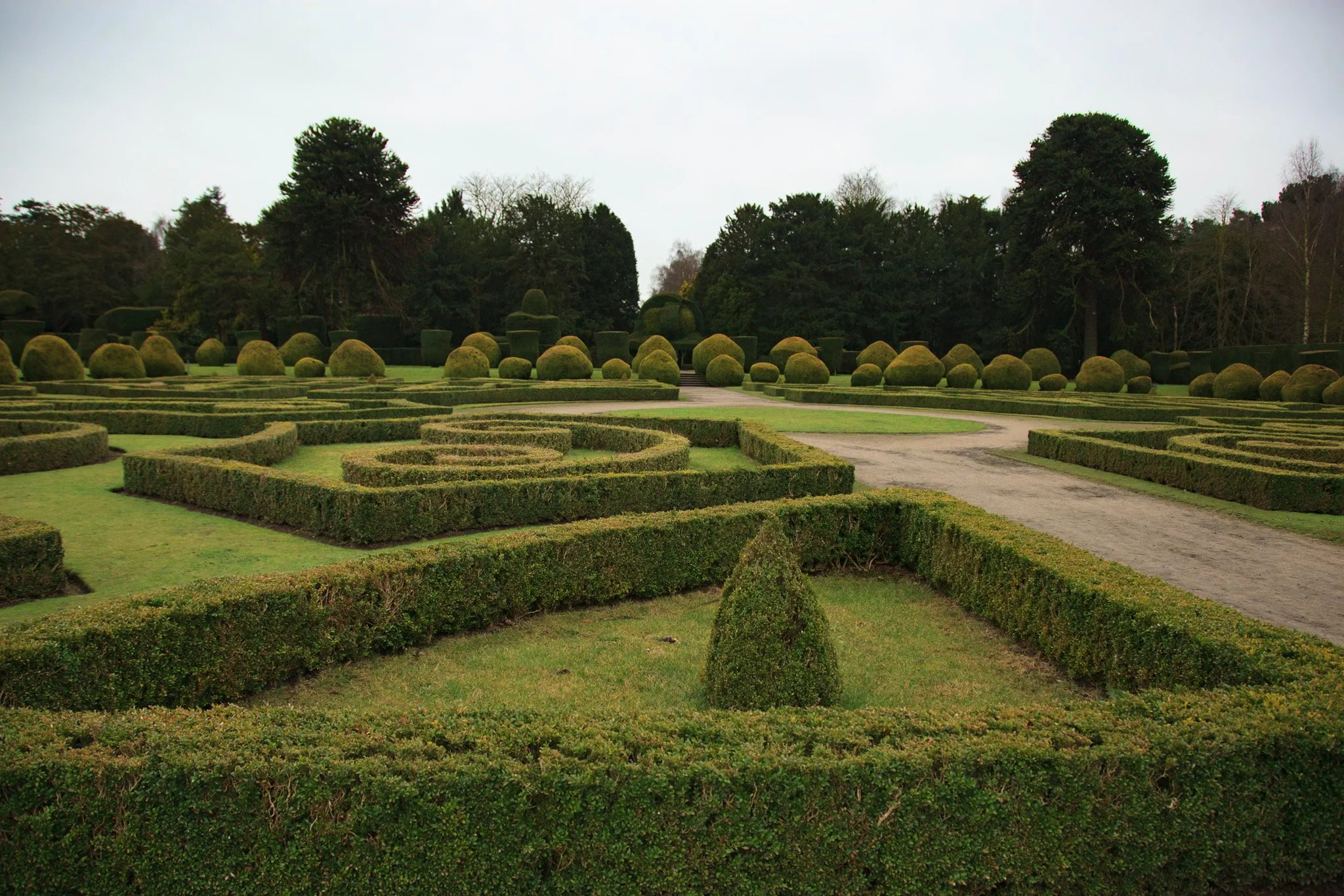 Image 2 of 5
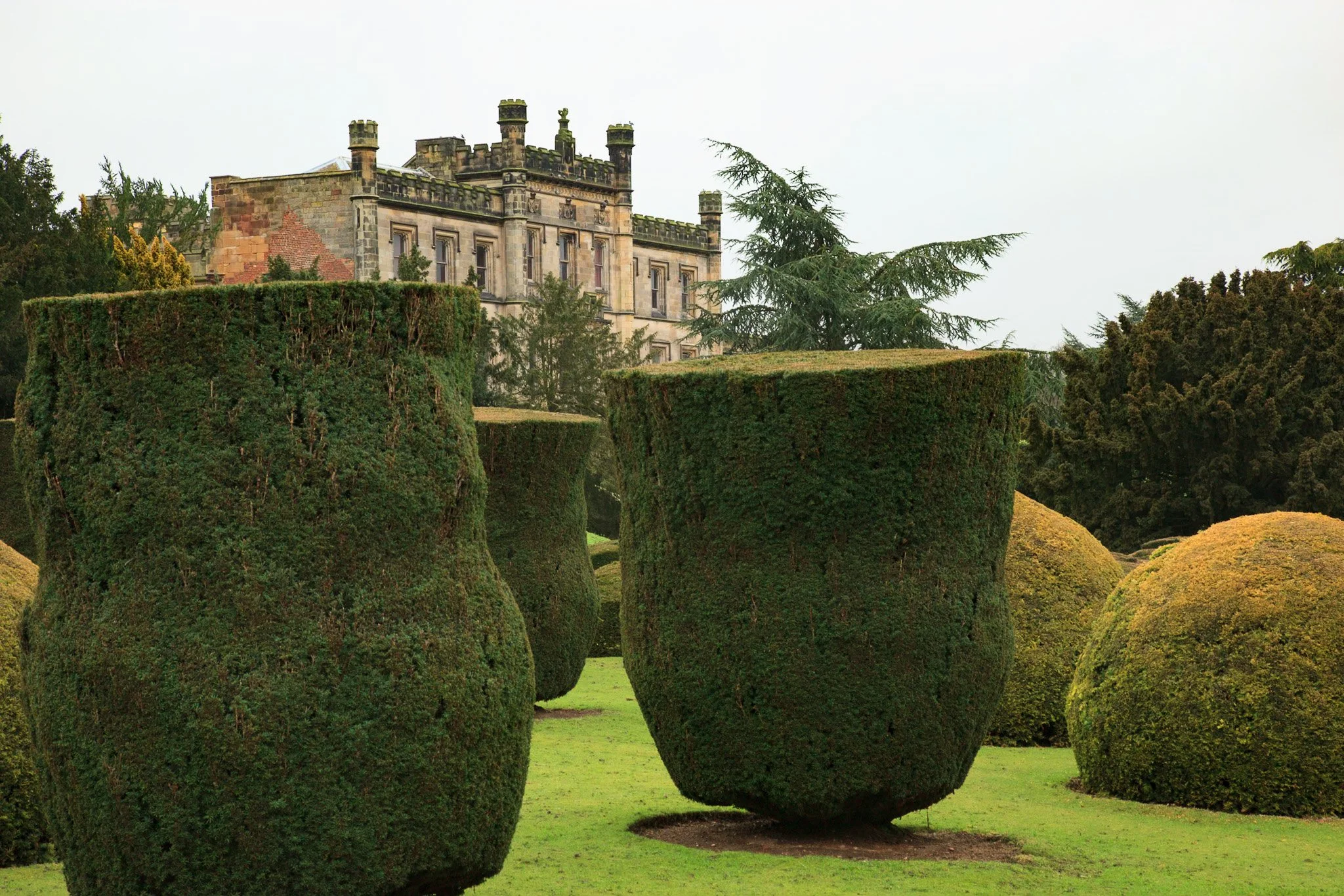 Image 3 of 5
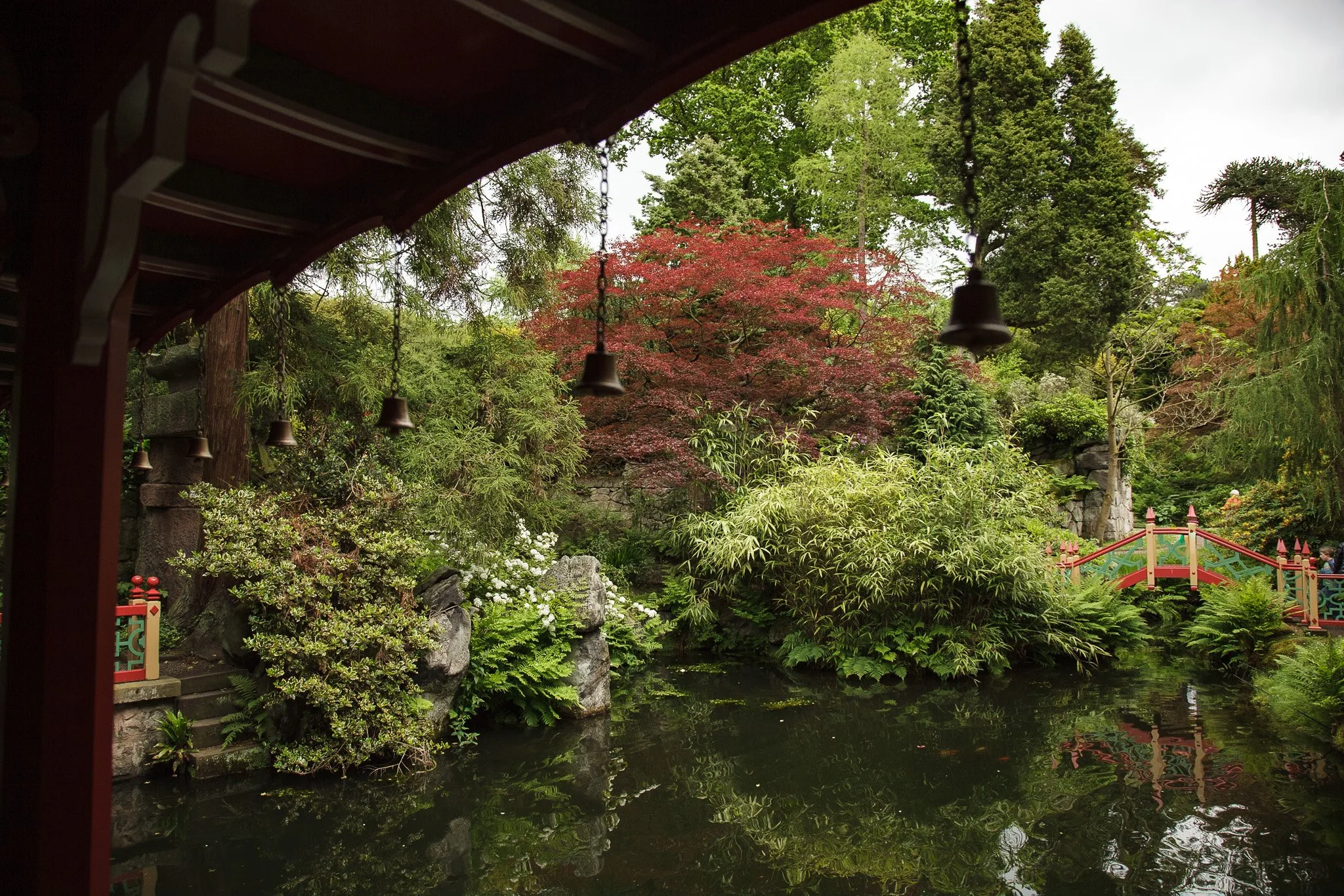 Image 4 of 5
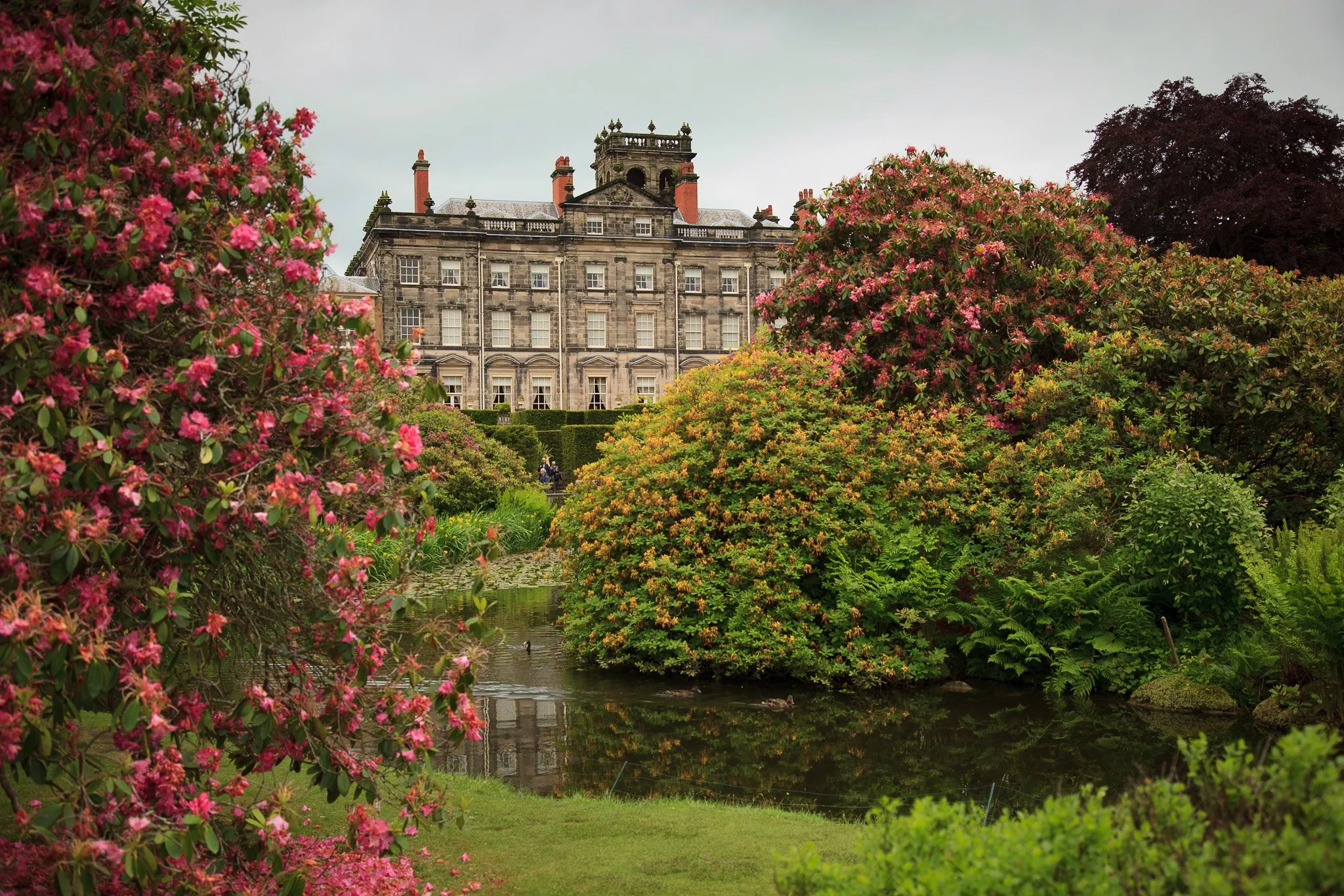 Image 5 of 5
A ten week online course
Starts Thursday 8th October 2026
The Victorian age transformed Britain's gardens more profoundly than any previous period. Advances in science and technology, expanding global trade, imperial ambition and the rise of the middle classes combined to create an unprecedented enthusiasm for gardening, introducing thousands of new plants and reshaping both public and private landscapes.
This ten-week course explores the remarkable stories behind this horticultural revolution. Through the lives of pioneering botanists, adventurous plant hunters, gardeners, engineers and influential patrons, we will discover how exploration, scientific discovery and empire shaped the gardens of nineteenth-century Britain.
From hazardous collecting expeditions in the Himalayas and Robert Fortune's clandestine mission into China to Joseph Paxton's revolutionary glasshouses and the spectacular bedding schemes that became a hallmark of Victorian taste, the course examines the close relationship between horticulture, science, commerce and society. Alongside figures such as Joseph Dalton Hooker, Charles Darwin and Marian North, we will also consider the contributions of influential women, professional gardeners and the great nursery firms that helped fuel Britain's passion for plants.
Topics include the creation of public parks, the rise of kitchen gardens and conservatories, the fascination with orchids and ferns, and the enduring appeal of celebrated gardens such as Kew, Biddulph Grange and Cragside. We will also examine the more challenging aspects of this history, including the relationship between botanical collecting, colonial expansion, indigenous knowledge and environmental change.
Suitable for gardeners, historians and anyone with an interest in the history of gardens, art and horticulture, the course assumes no specialist knowledge. It welcomes all who wish to explore the cultural, scientific and social significance of Victorian gardening and discover how this extraordinary period continues to influence the gardens we enjoy today.
Week 1 – Introduction
The rise of the middle class
Industrialisation and leisure
From landscape parks to ornamental gardens
The Victorian passion for collecting
Introduction to key figures and themes
William Andrews Nesfield
The largest fountain in Europe
Week 2 – The Plant Hunters
Why Britain wanted exotic plants
Dangerous expeditions around the world
Famous plant collectors: Joseph Dalton Hooker, Charles Darwin and Robert Fortune
Wardian cases and transporting living plants
The impact on British gardens
Marian North
Week 3 – Tea, Espionage and Empire
The British obsession with tea – 1st intro by Catherine of Braganza but purchased from Dutch east India company etc
Robert Fortune's RHS stealing mission into China
How tea plants and expertise were smuggled to India
The role of the East India Company
Ethics of plant collecting and empire
Week 4 – Glass, Iron and Innovation
The greenhouse revolution – back to Loudon glazing bar - Paxton
The Wardian case
Heated glasshouses
· Lady Dorothy Nevill-Dangstein
Advances in horticultural technology
The influence of The Crystal Palace on garden design
Week 5 – Literature, technology and the public park
Nurseries and seed catalogues Veitch – Backhouse
Derby arboretum
Birkenhead – Paxton and Kemp
Public health initiative – drinking fountains
Sewers and embankment gardens
Week 6 – The Language of Flowers
Floriography – The Florists Society
Floral displays
Bedding schemes
Fern fever (Pteridomania) Devon
Orchid mania
Conservatories as status symbols
Week 7 – Great Victorian Gardens = each reflected wealth, science and empire.
Royal Botanic Gardens, Kew
Biddulph Grange Garden
Cragside
Bicton Park Botanical Gardens
Brodsworth
Week 8 – The Kitchen Garden
Fruit walls and forcing houses
· Lady Dorothy Nevill-Dangstein
Pineapple pits
Estate gardening
The rise of the professional gardener and head gardeners
Kitchen gardens versus ornamental gardens
Week 9 – The Dark Side of Victorian Gardening
Colonialism and botanical imperialism
Exploitation of indigenous knowledge
Environmental consequences
Plant diseases
Invasive species
Week 10 – The love of revival gardening with topiary, some new rock gardens and the Italian Renaissance is back (again)
Elavaston, Friar Park
Cragside, Lamport Hall
Lady Broughton at Hoole House
Whitley Court
10 WEEK ONLINE COURSE
PRICE £250.00
1.5 hours a week
Our online Zoom course will begin on Thursday, 8th October 2026
6 pm-7.30 pm GMT.
All Zoom sessions are recorded and notes are sent out after each class.
A ten week online course
Starts Thursday 8th October 2026
The Victorian age transformed Britain's gardens more profoundly than any previous period. Advances in science and technology, expanding global trade, imperial ambition and the rise of the middle classes combined to create an unprecedented enthusiasm for gardening, introducing thousands of new plants and reshaping both public and private landscapes.
This ten-week course explores the remarkable stories behind this horticultural revolution. Through the lives of pioneering botanists, adventurous plant hunters, gardeners, engineers and influential patrons, we will discover how exploration, scientific discovery and empire shaped the gardens of nineteenth-century Britain.
From hazardous collecting expeditions in the Himalayas and Robert Fortune's clandestine mission into China to Joseph Paxton's revolutionary glasshouses and the spectacular bedding schemes that became a hallmark of Victorian taste, the course examines the close relationship between horticulture, science, commerce and society. Alongside figures such as Joseph Dalton Hooker, Charles Darwin and Marian North, we will also consider the contributions of influential women, professional gardeners and the great nursery firms that helped fuel Britain's passion for plants.
Topics include the creation of public parks, the rise of kitchen gardens and conservatories, the fascination with orchids and ferns, and the enduring appeal of celebrated gardens such as Kew, Biddulph Grange and Cragside. We will also examine the more challenging aspects of this history, including the relationship between botanical collecting, colonial expansion, indigenous knowledge and environmental change.
Suitable for gardeners, historians and anyone with an interest in the history of gardens, art and horticulture, the course assumes no specialist knowledge. It welcomes all who wish to explore the cultural, scientific and social significance of Victorian gardening and discover how this extraordinary period continues to influence the gardens we enjoy today.
Week 1 – Introduction
The rise of the middle class
Industrialisation and leisure
From landscape parks to ornamental gardens
The Victorian passion for collecting
Introduction to key figures and themes
William Andrews Nesfield
The largest fountain in Europe
Week 2 – The Plant Hunters
Why Britain wanted exotic plants
Dangerous expeditions around the world
Famous plant collectors: Joseph Dalton Hooker, Charles Darwin and Robert Fortune
Wardian cases and transporting living plants
The impact on British gardens
Marian North
Week 3 – Tea, Espionage and Empire
The British obsession with tea – 1st intro by Catherine of Braganza but purchased from Dutch east India company etc
Robert Fortune's RHS stealing mission into China
How tea plants and expertise were smuggled to India
The role of the East India Company
Ethics of plant collecting and empire
Week 4 – Glass, Iron and Innovation
The greenhouse revolution – back to Loudon glazing bar - Paxton
The Wardian case
Heated glasshouses
· Lady Dorothy Nevill-Dangstein
Advances in horticultural technology
The influence of The Crystal Palace on garden design
Week 5 – Literature, technology and the public park
Nurseries and seed catalogues Veitch – Backhouse
Derby arboretum
Birkenhead – Paxton and Kemp
Public health initiative – drinking fountains
Sewers and embankment gardens
Week 6 – The Language of Flowers
Floriography – The Florists Society
Floral displays
Bedding schemes
Fern fever (Pteridomania) Devon
Orchid mania
Conservatories as status symbols
Week 7 – Great Victorian Gardens = each reflected wealth, science and empire.
Royal Botanic Gardens, Kew
Biddulph Grange Garden
Cragside
Bicton Park Botanical Gardens
Brodsworth
Week 8 – The Kitchen Garden
Fruit walls and forcing houses
· Lady Dorothy Nevill-Dangstein
Pineapple pits
Estate gardening
The rise of the professional gardener and head gardeners
Kitchen gardens versus ornamental gardens
Week 9 – The Dark Side of Victorian Gardening
Colonialism and botanical imperialism
Exploitation of indigenous knowledge
Environmental consequences
Plant diseases
Invasive species
Week 10 – The love of revival gardening with topiary, some new rock gardens and the Italian Renaissance is back (again)
Elavaston, Friar Park
Cragside, Lamport Hall
Lady Broughton at Hoole House
Whitley Court
10 WEEK ONLINE COURSE
PRICE £250.00
1.5 hours a week
Our online Zoom course will begin on Thursday, 8th October 2026
6 pm-7.30 pm GMT.
All Zoom sessions are recorded and notes are sent out after each class.