Gardens of Rebellion
Art, Craft & Bohemian Sanctuaries
The Making of the Modern Garden (1890s–1930s)
An 11 week online course
Starts 14th January 2027At the turn of the 20th century, a radical wave of artists, architects, and writers tore up the Victorian rulebook and turned the British garden into a living canvas. Over 11 weeks, we will explore William Robinson’s angsty, wild rebellion, Gertrude Jekyll and Edwin Lutyens’s Arts & Crafts collaboration, Harold Peto’s Italianate terraces, and the bohemian retreats of Garsington Manor and Charleston Farmhouse. Discover the personalities, politics, and artistry behind the modern English garden.
Course Overview
Picking up where the Victorian plant hunters left off, this 11 week course explores the dramatic revolution in British garden design at the turn of the 20th century.
Information
11 week course online
PRICE £275.00
For a limited time only you can buy 11 classes for the price of 10 with an our early bird offer. Get £25 Off when you use the dicount code LUTYENS25 during checkout (until 5th Decemeber 2026).
1.5 hours a week
Our online Zoom course will begin on Thursday, 14th January 2027
6 pm-7.30 pm GMT.
All Zoom sessions are recorded and notes are sent out after each class.
-
WEEK 1
Ripping Up the Carpet - William Robinson and the Wild Garden
How the bad tempered Irish gardener William Robinson waged war on Victorian high maintenance bedding schemes, advocating instead for hardy perennials and naturalised bulbs. His influence in USA (and his own wild garden at Gravetye Manor).
WEEK 2
The Painter in the Border - Gertrude Jekyll and Colour Theory
Gertrude Jekyll trained as a fine artist, she practised photography but failing eyesight led her to work in a bigger scale - the herbaceous border. Exploring her painterly inspired colour drifts, woodland walks, and the experimental laboratory at Munstead Wood. (Upton Grey, Vann)
WEEK 3
Timber and Hollyhocks - The Arts and Crafts Ideal
The philosophy of William Morris and John Ruskin applied outdoors. The connection of house and garden, local materials, topiary, and the romantic vision of the vernacular English cottage garden (Hidcote and Rodmarton Manor).
WEEK 4
The Dream Team - Gertrude Jekyll and Edwin Lutyens
How Lutyens’ architectural geometry, dry-stone walls, rills, and steps provided the bones for Jekyll’s exuberant, painterly planting (Hestercombe, Folly Farm, Deanery Garden, Lindisfarne Castle).
WEEK 5
Grandeur and Civic Pride - Thomas Mawson and the Edwardian Landscape
Beyond the private country house. Thomas Mawson bridged the gap between Arts and Crafts intimacy and formal Beaux-Arts grandeur, working on grand estates (Graythwaite Hall and The Hill, Hampstead) and public parks, town planning, and war memorials.
WEEK 6
Classical and Renaissance - Harold Peto and the Italianate Revival
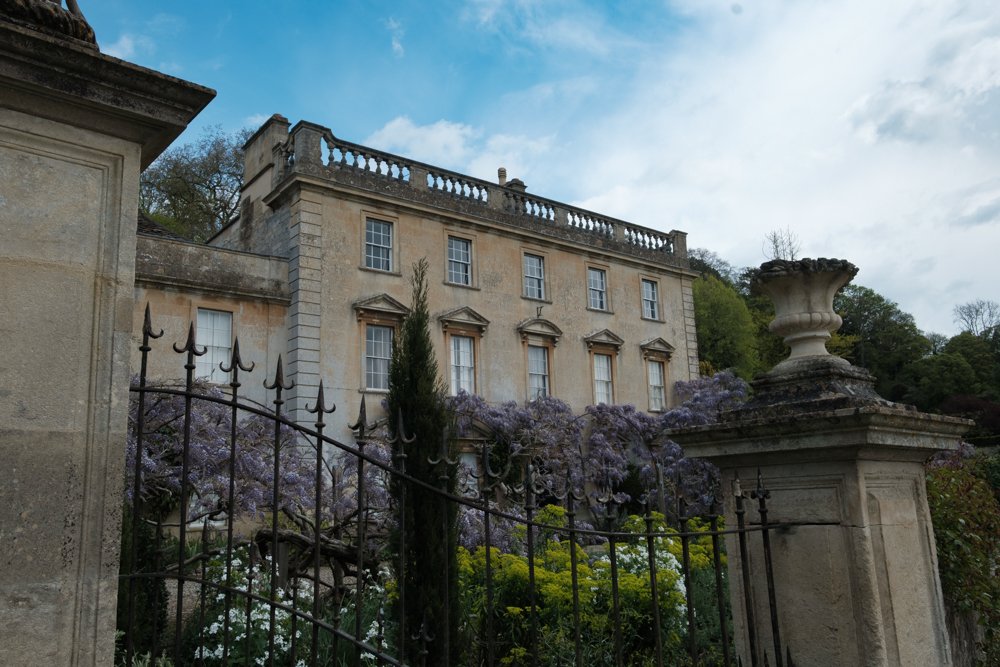
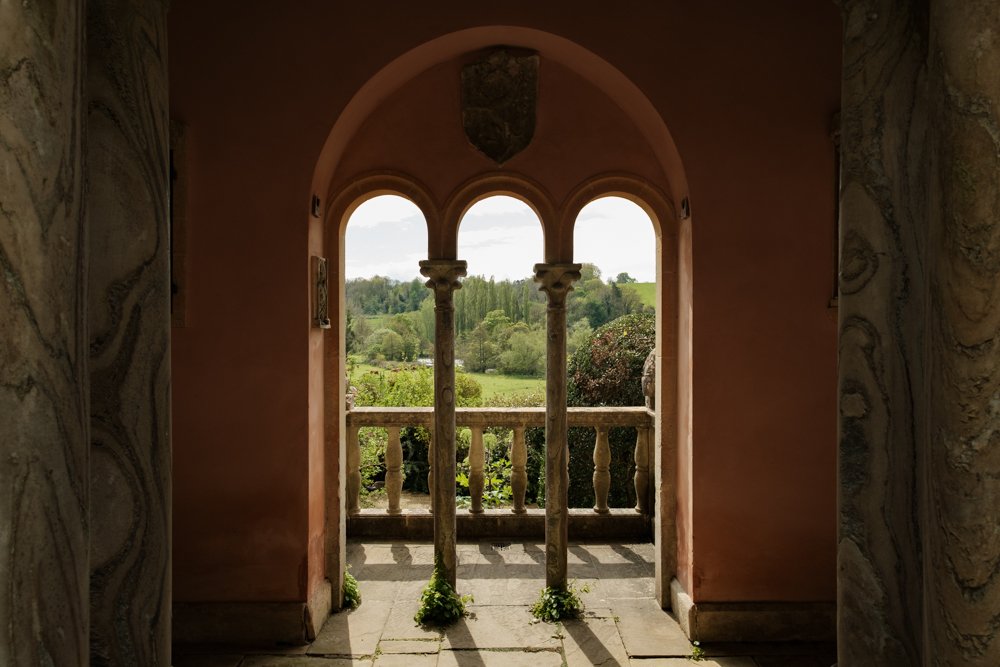
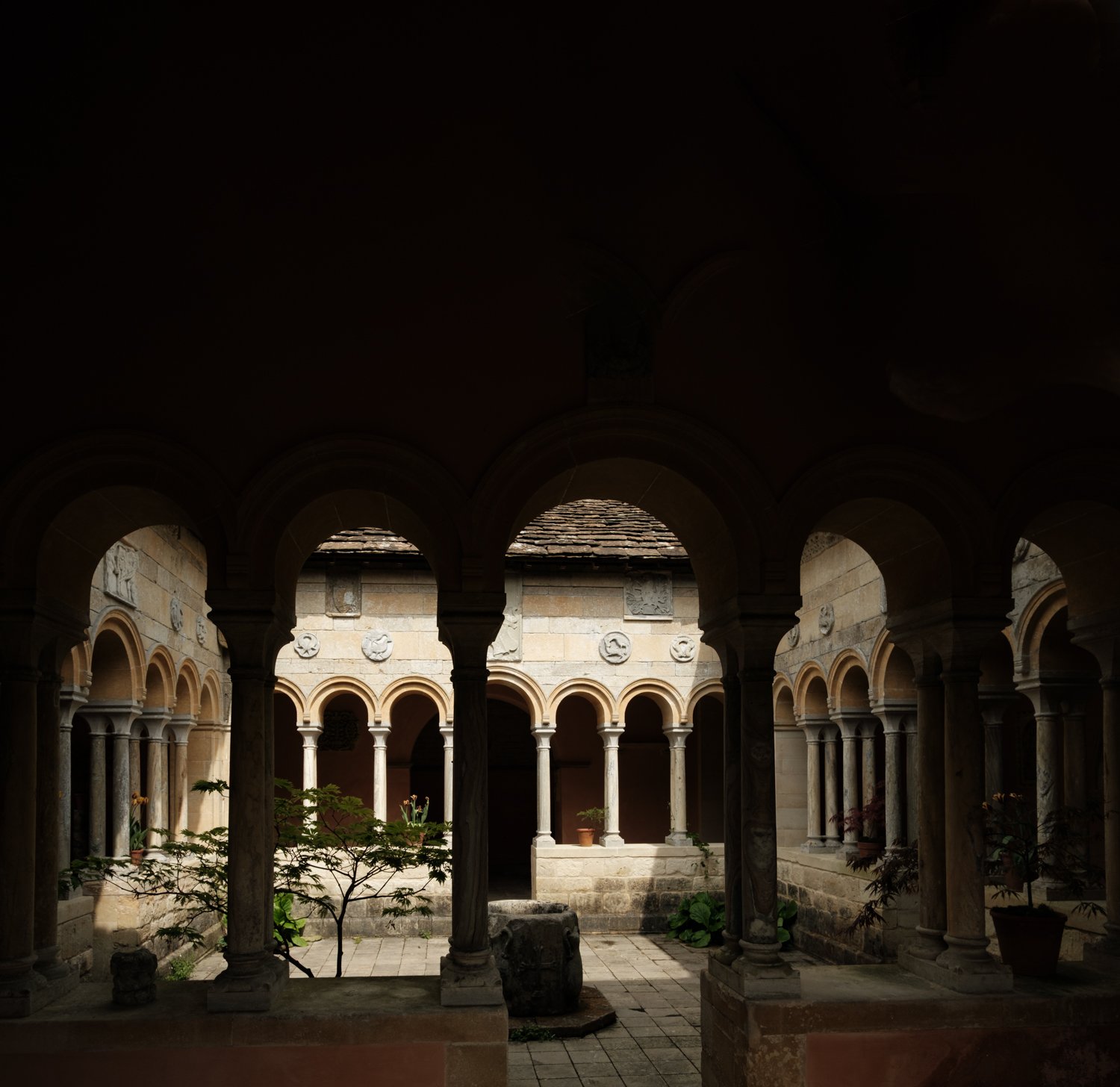
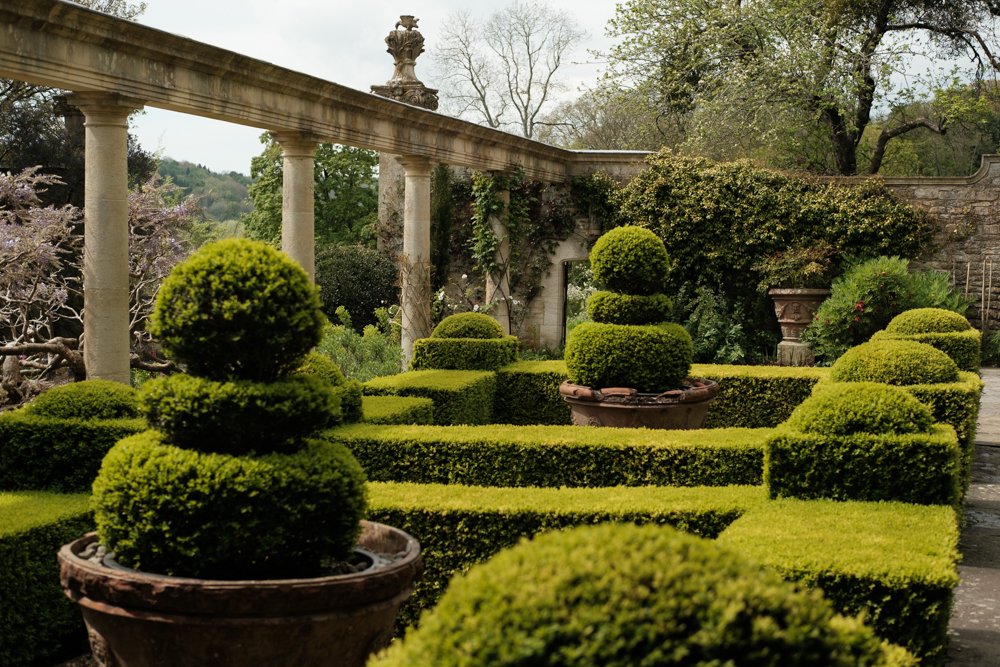
Architect and then gardener Harold Peto had a love affair with classical antiquity. Exploring his theatrical use of loggias, cypresses, water gardens, and antiquities at his own Iford Manor and at Ilnacullin (Garinish Island) in Ireland.
WEEK 7
Bohemians and the War - Ottoline Morrell & Garsington Manor
The garden as an intellectual salon and stage set. Lady Ottoline Morrell’s transformation of Garsington Manor into a theatrical Italianate vision of clipped yews, statues, and peacocks. It became a refuge for pacifists, writers, poets, and artists during WWI. Not all the writers were kind to her, Aldous Huxley you cad.
WEEK 8
En plein air - Vanessa Bell, Duncan Grant and the Charleston Farmhouse
The Bloomsbury Group’s Sussex sanctuary. How Bell and Grant used their walled garden as an extension of their studio, using Mediterranean colour palettes, classical sculptures, mosaic pathways, and rather boisterous cottage planting.
WEEK 9
Women take the lead - Ellen Willmott, Vita Sackville-West and Nora Lindsey
The women who reshaped horticulture in the 1920s and 30s. Ellen Willmott’s obsessive, expensive plant collecting at Warley Place, Vita Sackville-West (and Harold Nicolson’s) garden rooms and Vita’s friend Nora Lindsay’s new life as a garden designer (Longbarn, Sissinghurt, Hidcote).
WEEK 10
Concrete, Curves and Clean Lines - The Arrival of Modernism (1930s)
A new garden revolution when Modernism, Bauhaus architecture, and Christopher Tunnard’s Gardens in the Modern Landscape (1938) stripped away Arts and Crafts nostalgia and in it's place came abstract shapes, concrete, and functional outdoor living (Bentley Wood).
WEEK 11
Sunlight and Large Shadows - Port Sunlight, Garden Cities, and the Empire
An extra week is needed to examine the ties between garden design, industrial paternalism, and colonialism. William Hesketh Lever’s model village at Port Sunlight and the broader Garden City movement, how these idyllic Arts and Crafts parks and manicured worker allotments were built on palm oil extracted from colonial West Africa and the Belgian Congo. How did plant hunting, exotic introductions, and imperial wealth quietly underpin the era's celebrated country house gardens?
An 11 week course
Starts Thursday 14th January 2027
Suitable for gardeners, historians and anyone with an interest in the history of gardens, art and horticulture, the course assumes no specialist knowledge. It welcomes all who wish to explore the cultural, scientific and social significance of Victorian gardening and discover how this extraordinary period continues to influence the gardens we enjoy today.
10 WEEK ONLINE COURSE
PRICE £250.00
1.5 hours a week
Our online Zoom course will begin on Thursday, 8th October 2026
6 pm-7.30 pm GMT.
All Zoom sessions are recorded and notes are sent out after each class.